How the TSC Online Payslip System Is Transforming Access for Kenyan Teachers
In recent years, Kenya has made steady progress in digitizing public services, and the education sector has not been left behind. One of the most impactful innovations for teachers is the online payslip system introduced by the (TSC). This platform allows educators to access their salary details anytime and from virtually anywhere, marking a significant shift from traditional paper-based processes.
Moving Away from Paper-Based Payslips
For a long time, teachers depended on printed payslips issued through school administrations or TSC offices. This system often came with delays, logistical challenges, and inconvenience—especially for teachers working in remote or rural areas. Retrieving a simple document could take days or even weeks.
The introduction of the TSC online payslip portal has eliminated these barriers. By moving services online, the commission has simplified how teachers access critical financial information, making the process faster, more reliable, and user-friendly.
What the TSC Online Payslip System Offers
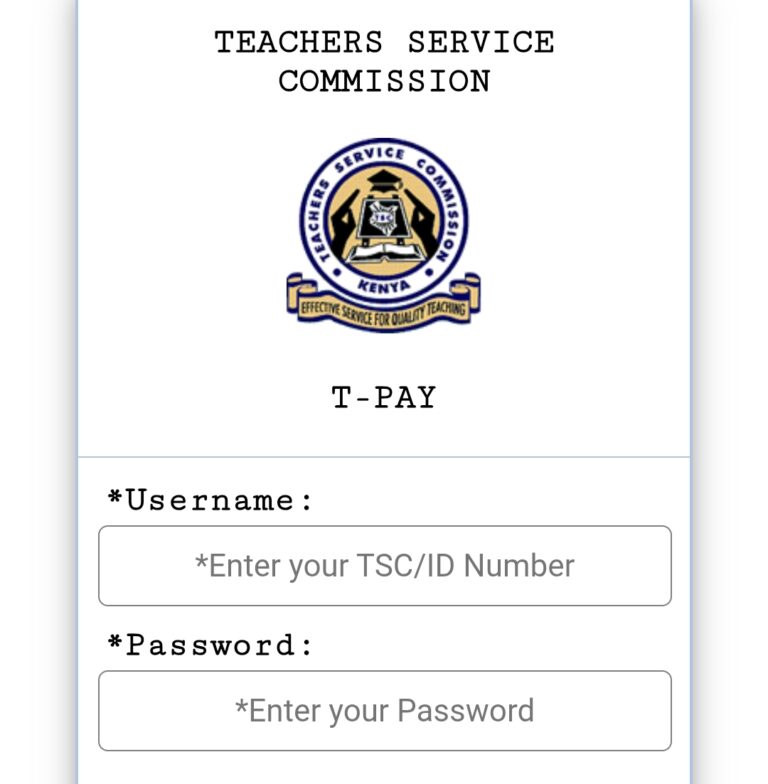
The TSC payslip portal—commonly referred to as T-Pay—is designed to give teachers direct control over their payroll information. Once logged in, users can access a wide range of details related to their earnings and deductions.
Some of the key features include:
- Viewing current and past payslips
- Downloading payslips for personal records or official use
- Accessing P9 forms for annual tax filing
- Reviewing detailed salary breakdowns, including allowances and deductions
This level of access ensures that teachers no longer have to rely on intermediaries to obtain their financial records.
Convenience at Its Core
One of the most notable advantages of the system is its accessibility. Teachers can log in at any time using a smartphone, tablet, or computer. Whether at home, in school, or even while traveling, the platform is always within reach as long as there is an internet connection.
This 24/7 availability has proven especially useful during urgent situations, such as when applying for loans or financial assistance that requires proof of income.
Enhancing Transparency and Trust
The digital payslip system has also improved transparency in salary management. Teachers can clearly see how their earnings are calculated, including basic salary, allowances, statutory deductions, and other adjustments.
This openness helps reduce confusion and builds trust between educators and the commission. If any discrepancies arise, they can be identified quickly and addressed promptly.
Supporting Better Financial Planning
Having instant access to payslips empowers teachers to make informed financial decisions. Whether applying for a bank loan, joining a SACCO, or budgeting for personal expenses, accurate salary records are essential.
The system allows teachers to download official payslips in a format accepted by financial institutions, making processes like loan applications smoother and faster.
Security and Privacy
Given the sensitive nature of payroll information, security is a top priority for the platform. The system uses secure login credentials and verification steps to protect user data. Teachers are encouraged to keep their passwords confidential and update them regularly to maintain account safety.
This focus on security ensures that personal financial information remains protected from unauthorized access.
How to Access the Portal
Using the TSC online payslip system is straightforward. Teachers need to visit the official portal and log in using their TSC number and password. For those accessing it for the first time, a simple registration process is required, which includes verifying personal details and setting up login credentials.
Once inside the system, navigating to the payslip section allows users to select specific months and download the required documents instantly.
A Step Forward in Digital Transformation
The introduction of this system reflects Kenya’s broader push toward digital governance. By adopting technology, the has improved service delivery while reducing administrative workload and costs associated with printing and distribution.
It also aligns with the expectations of a modern workforce that values speed, convenience, and efficiency in accessing essential services.
Conclusion
The TSC online payslip system is more than just a digital tool—it is a practical solution that addresses long-standing challenges faced by teachers across Kenya. By offering instant, secure, and convenient access to salary information, the platform empowers educators and simplifies their professional lives.
As technology continues to evolve, such innovations will play an even greater role in enhancing public service delivery. For Kenyan teachers, the ability to view payslips anytime and anywhere is a clear sign that the future of education administration is digital, efficient, and user-centered.
